
Ideas, guides, and behind the scenes
Tips, trends, and behind-the-scenes on video and ad production.
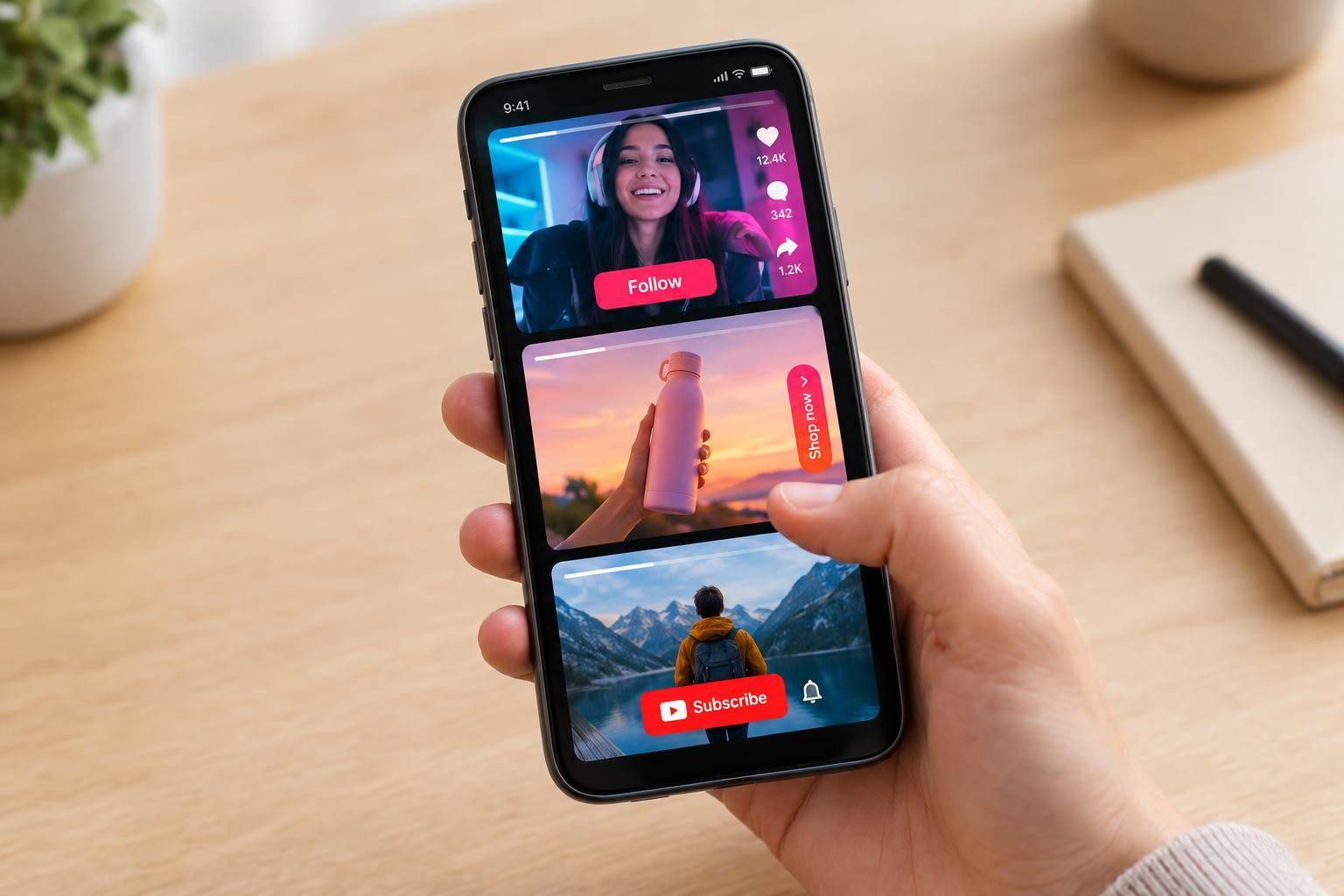
CTA Design for TikTok, Reels, Shorts
One-action CTAs tailored per platform: wording, timing, placement, and tracking for TikTok, Reels, and Shorts.
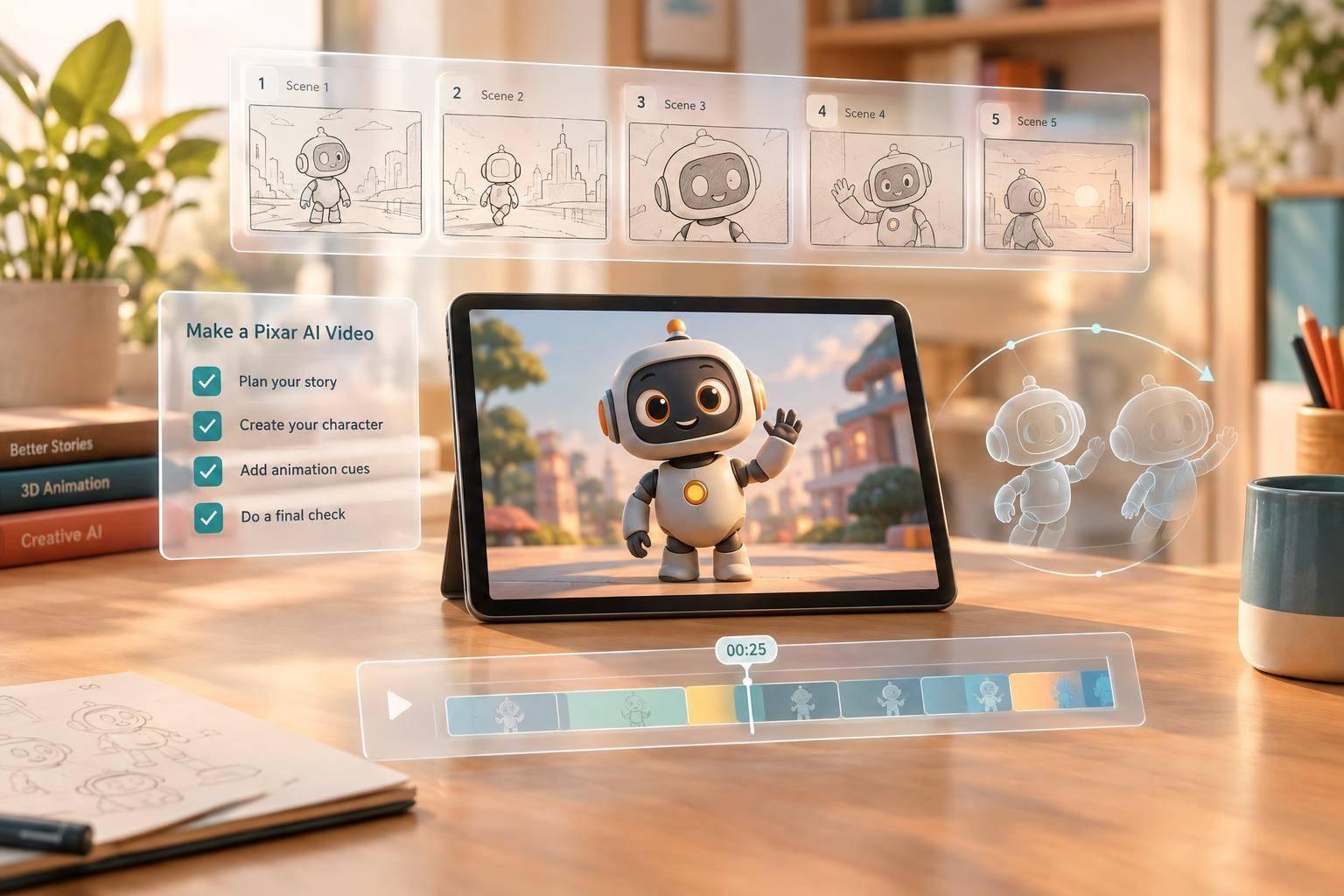
How to make a pixar AI video?
Plan 4–6 shots, design one original 3D character, animate subtle motion, and complete rights checks for a 20–30s Pixar-inspired AI clip.
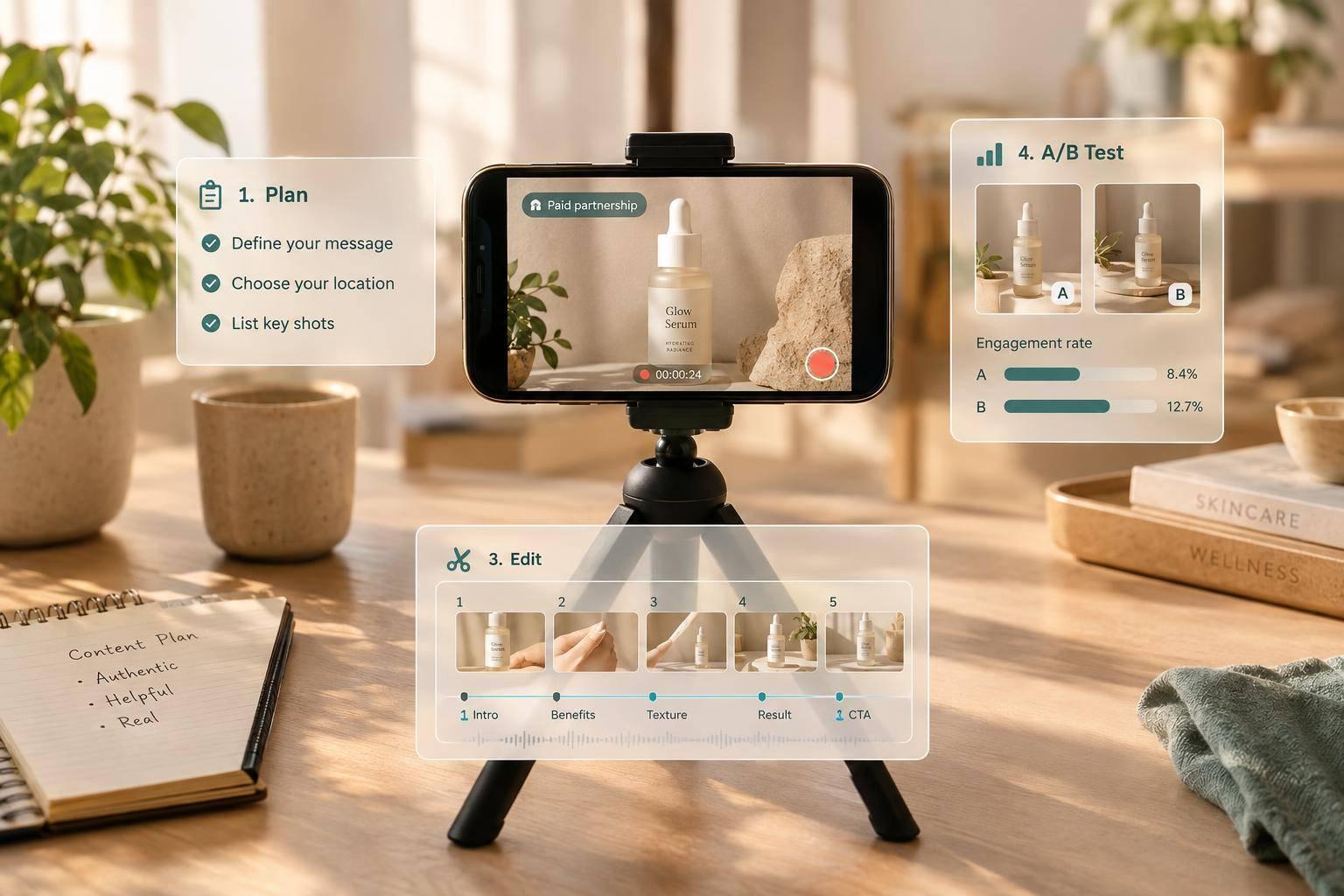
How to create a UGC video?
Step-by-step workflow to plan, film, edit, and test short UGC videos with clear demos and truthful disclosures.
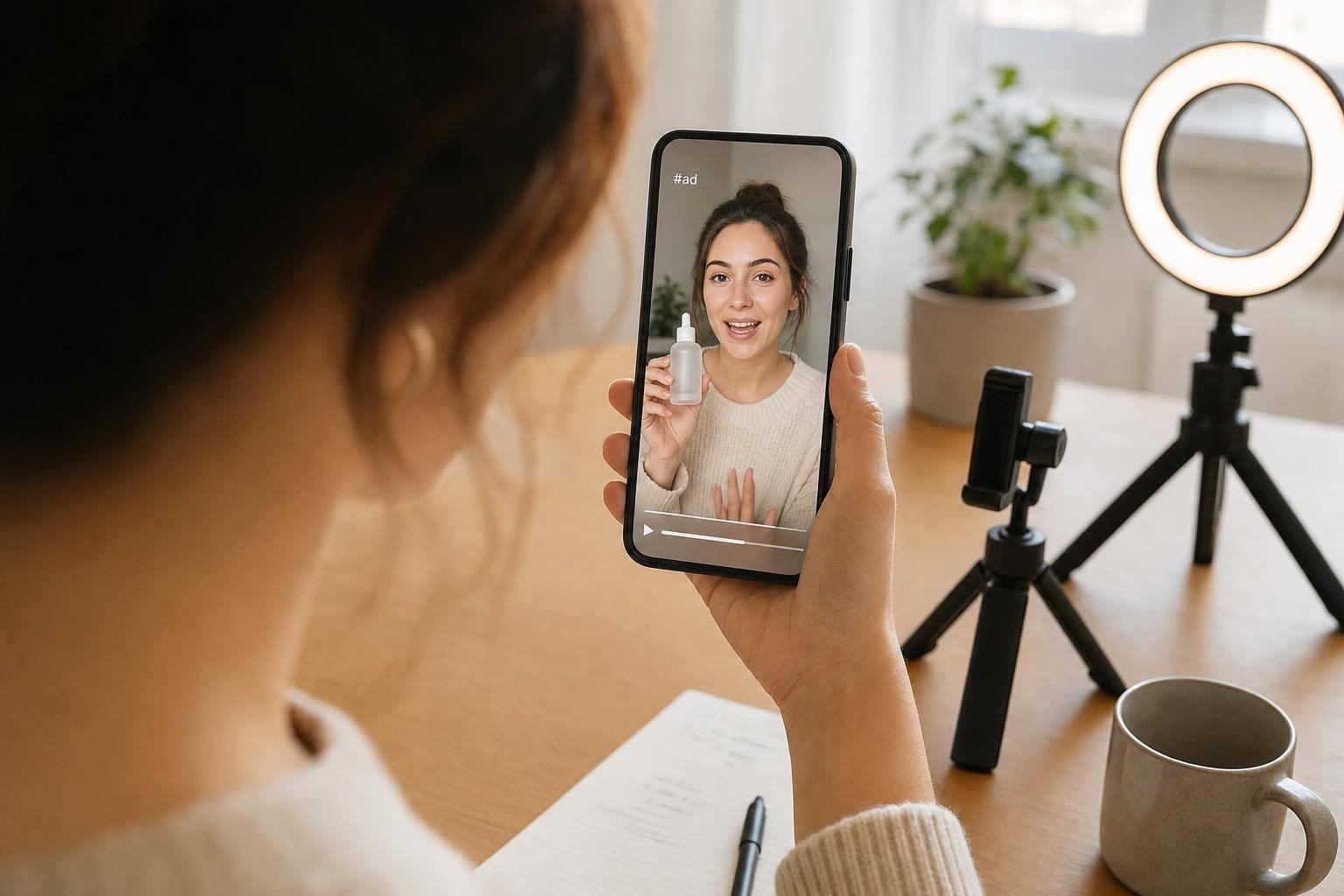
What is a UGC video?
Defines UGC videos, their traits and formats, why brands use them on short-form platforms, and disclosure basics.
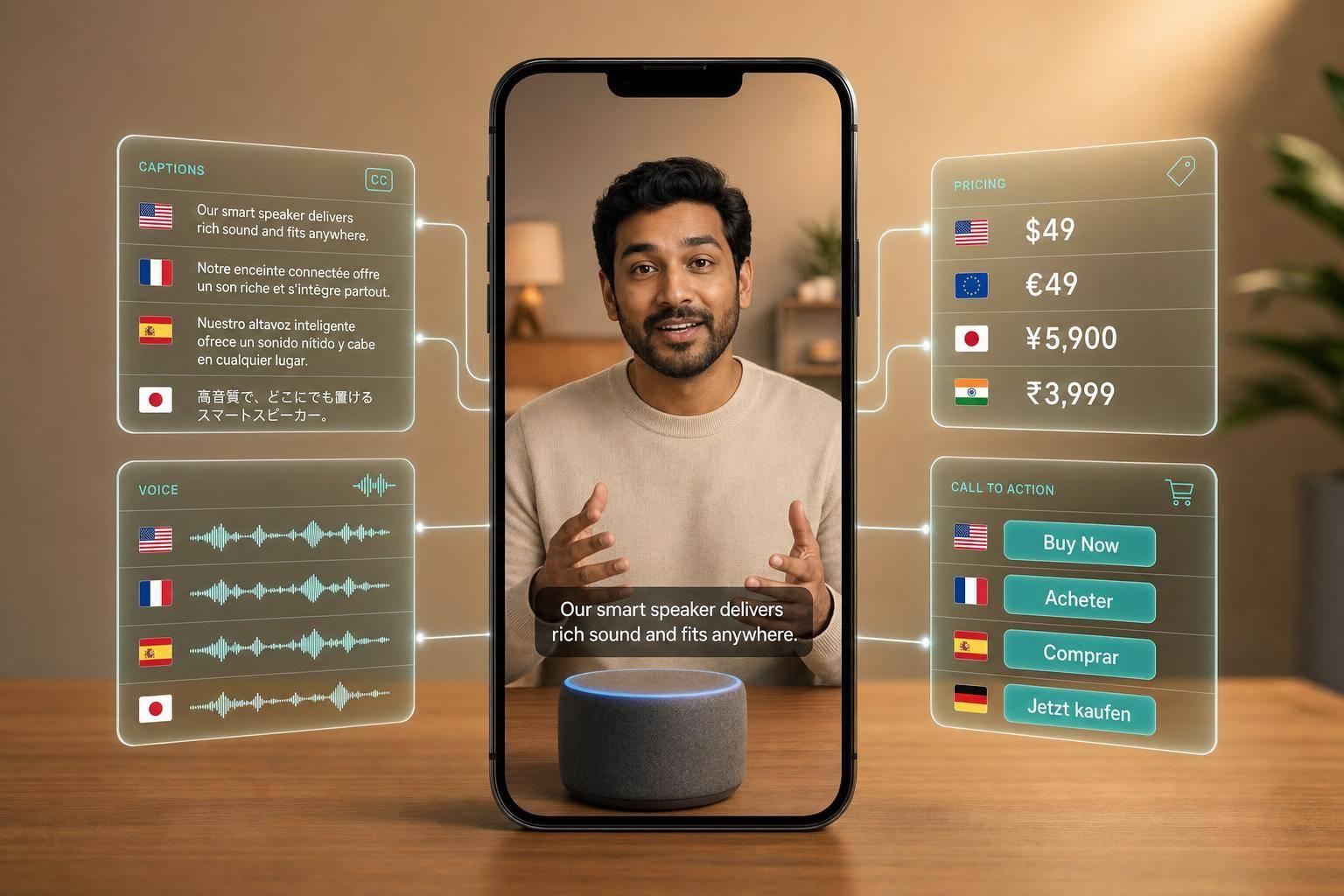
AI Talking Avatars for Multilingual Product Ads
Lock a master ad, then localize voice, captions, prices, and CTA to scale product videos across markets without reshoots.

Facebook organic vs paid video: when each works
Organic Facebook video builds trust and tests creatives; paid video buys reach, timing, leads, and sales.
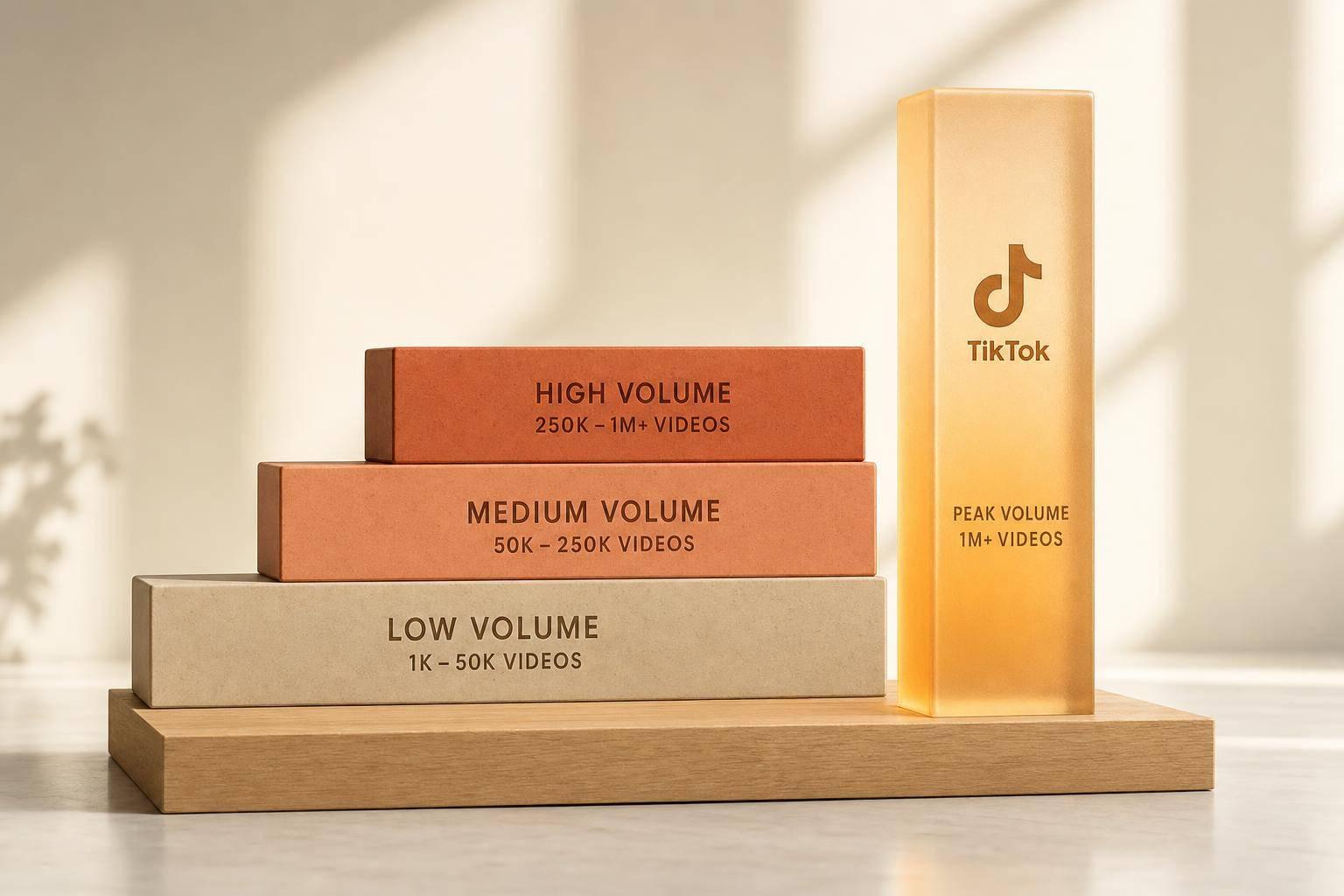
Short-Form Video Volume: 2026 Benchmarks
Use three monthly bands (8–12, 15–30, 30–60+) plus a TikTok peak and testing rules to align short-form video output with team capacity.
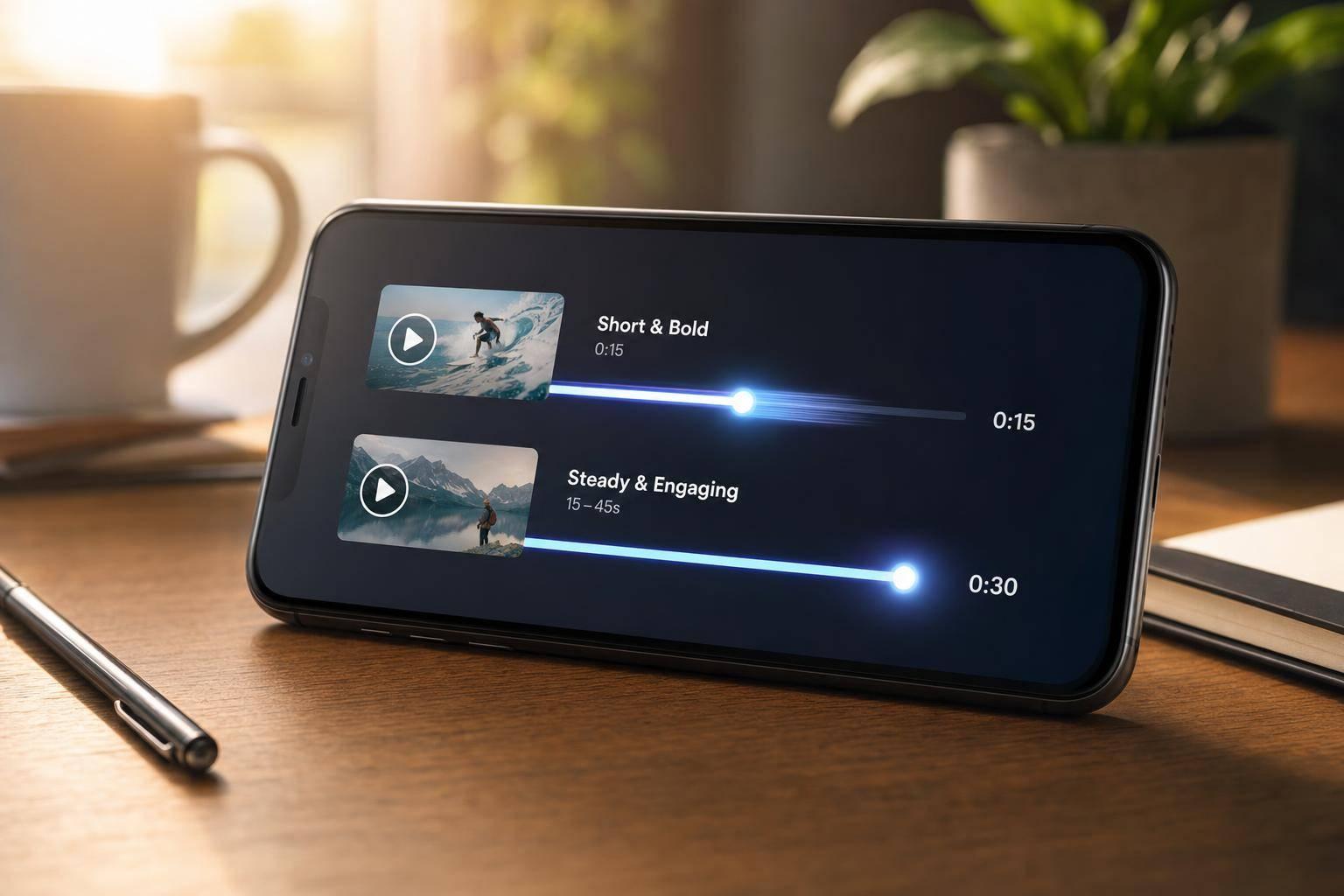
Best X Video Length for Ads and Organic
Ads on X should be 15s or less; organic videos 15-45s. Match runtime to the video's job and hook fast.
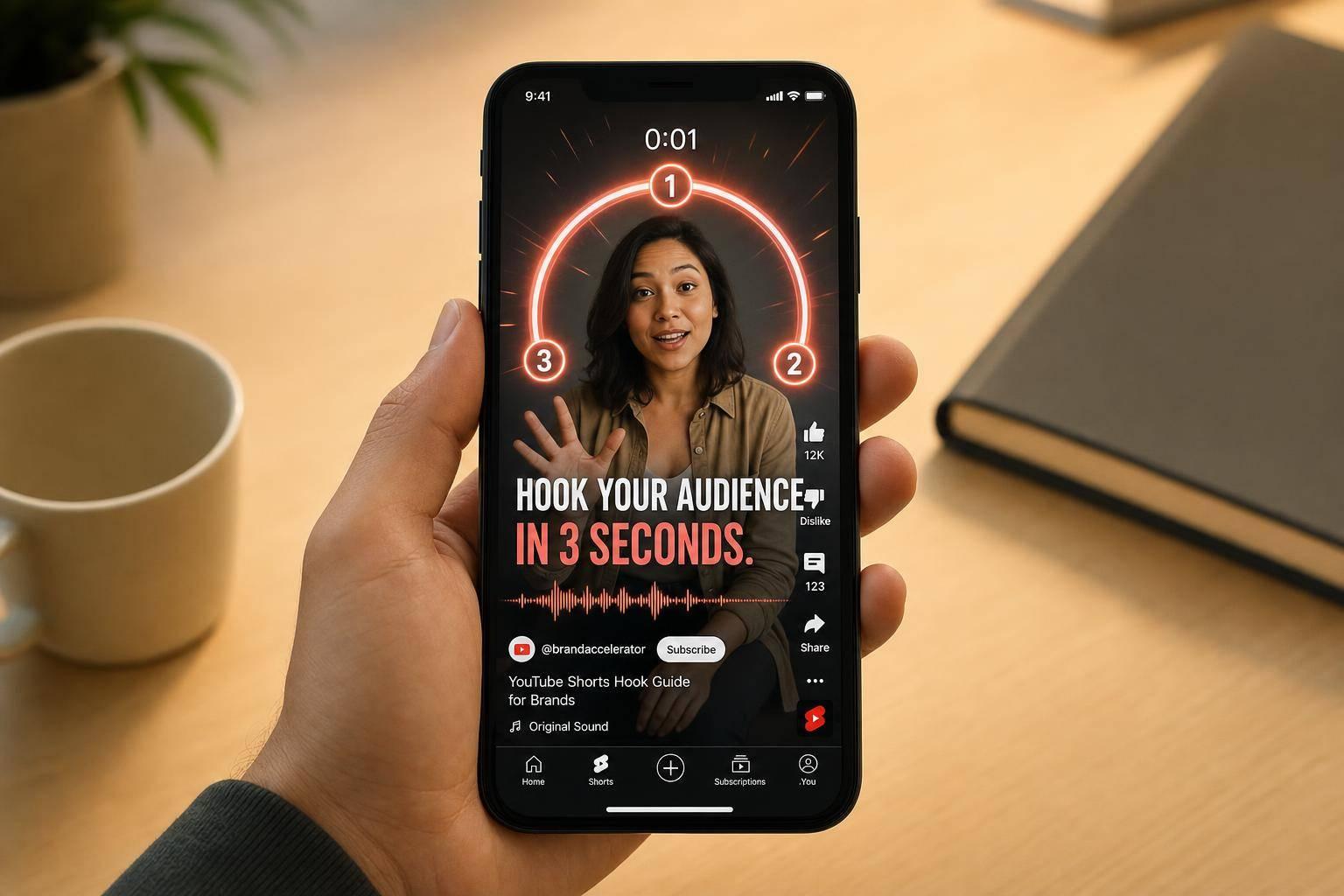
YouTube Shorts Hook Guide for Brands
Show value in the first 1–3 seconds: align visuals, voice, and text; match intent; and test hooks to improve retention and conversions.
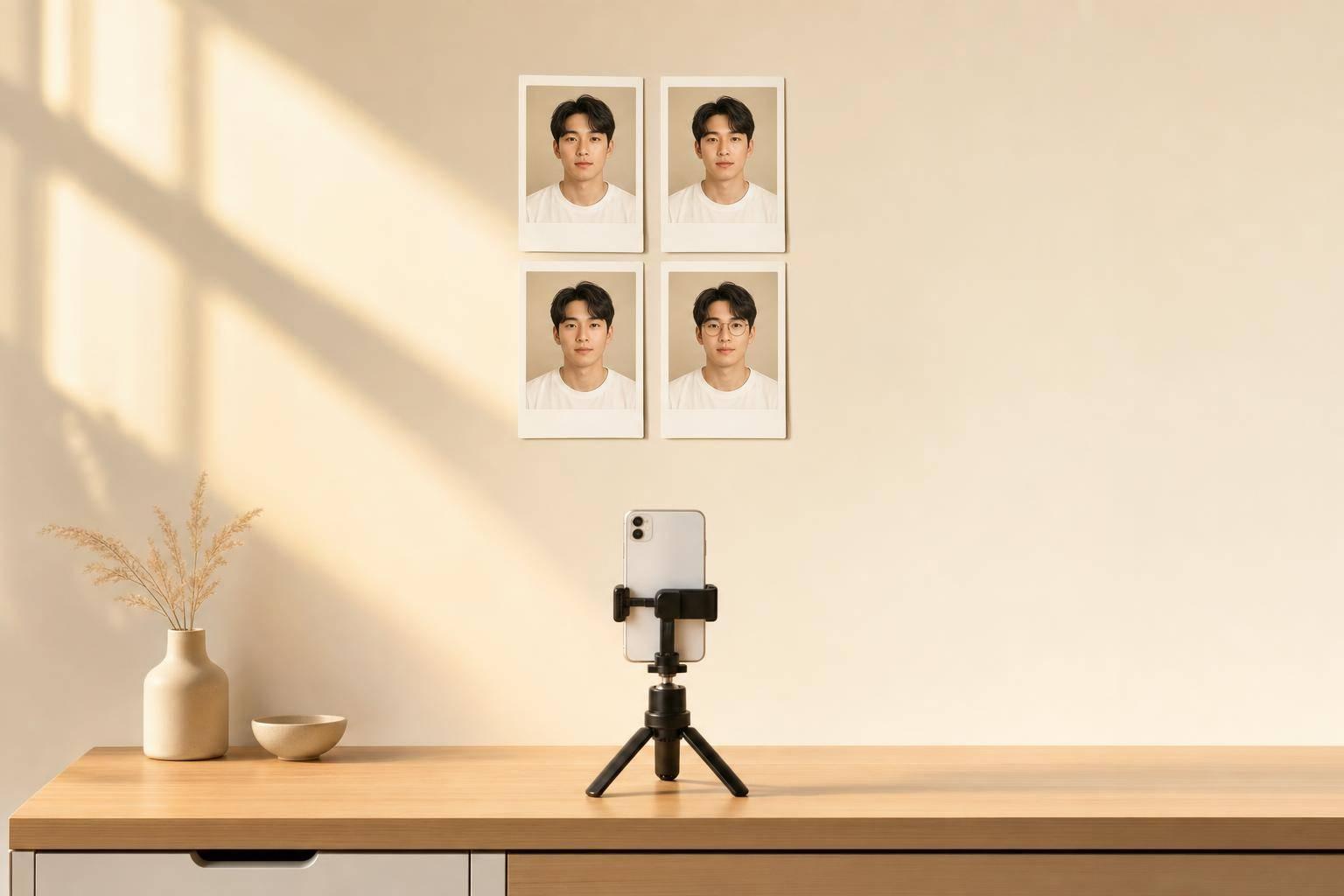
How to Design AI UGC Creator Personas
Create consistent AI UGC personas by choosing one goal, one audience, fixed on-camera traits, and testing one variable at a time.
How Brands Mix Story and Sales in Reels
Story first, sales second: structure Reels with Hook→Tension→Discovery→Proof→Resolution and one clear CTA
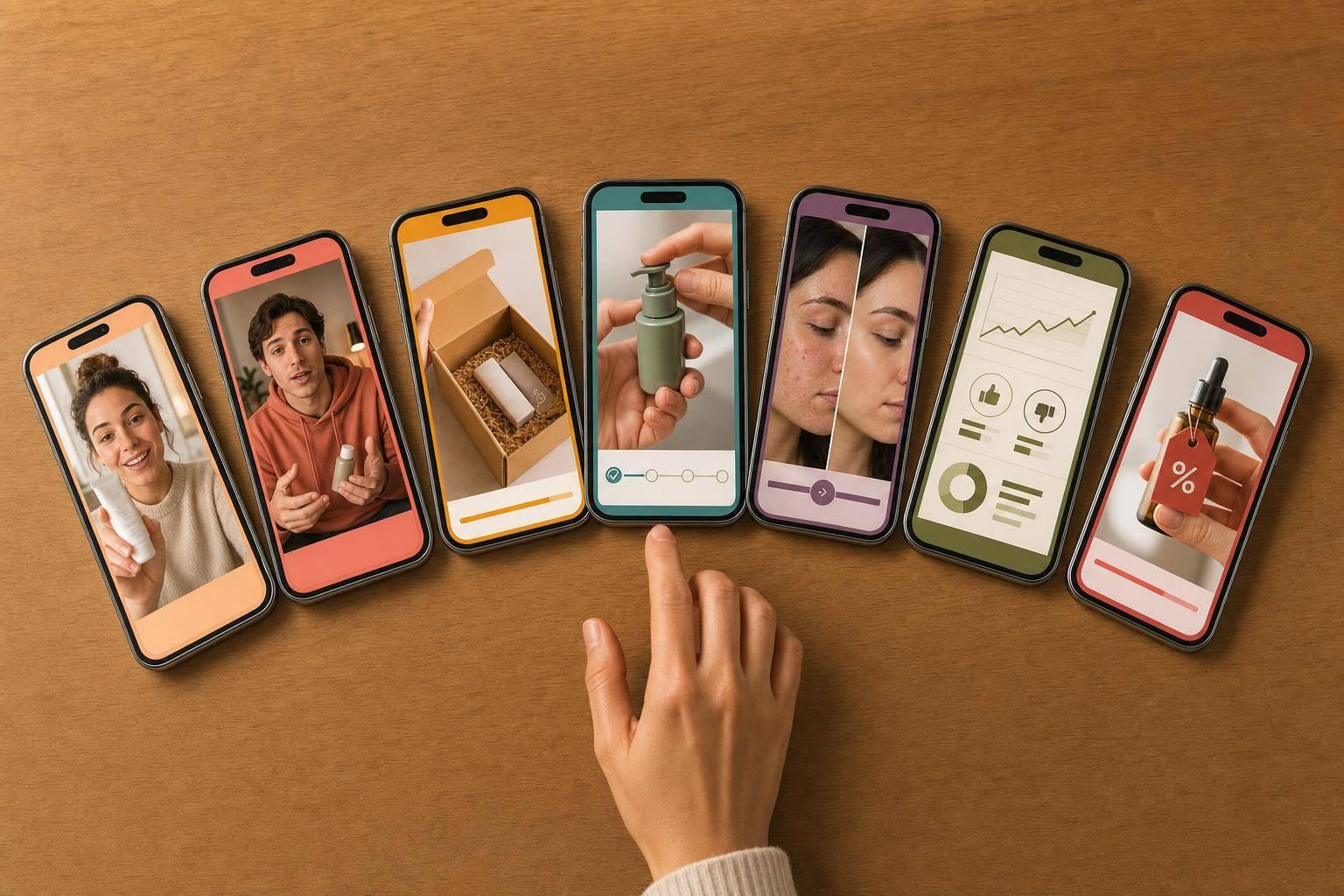
7 Video Angles Brands Use in UGC-Style Ads
Seven UGC-style ad angles explaining when to use each, what visual proof to show, and how to test hooks, creators, and offers.